
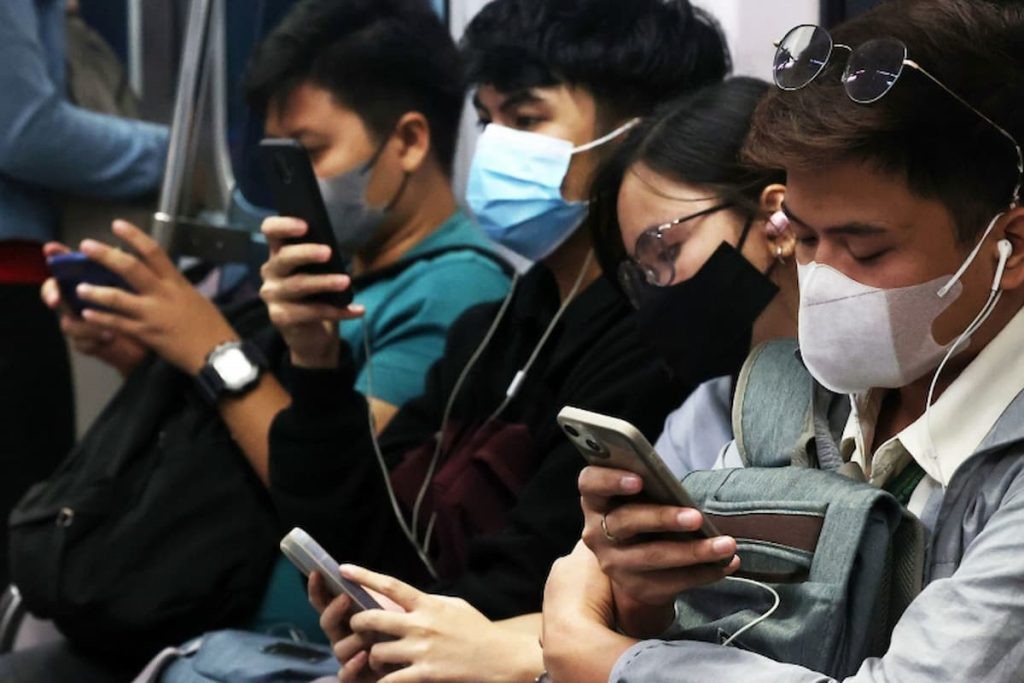
A BILL seeking to finally bring down the default cost of prepaid calls and text messages to more reasonable levels reflective of modern telecommunications technology, network capacity, and consumer usage has been filed in the Senate, while also strengthening protections against unexpected load deductions, unclear promo pricing, and the loss of prepaid value already paid for by subscribers.
Senator Loren Legarda said the proposed SULIT Load Act recognizes that while telecommunications technology has advanced considerably and promos have made calls, texts, and mobile data much cheaper, many default or out-of-promo rates remain disproportionately expensive for ordinary prepaid users.
“Napakalaki na ng ipinagbago ng telecommunications technology. Mas mabilis ang networks, mas malaki ang volume ng calls, texts, at data, at napakarami nang murang promo. Kaya makatuwiran lamang na tanungin: bakit ang regular na singil sa text at tawag ay parang naiwan pa rin sa nakaraan? Panahon nang iayon ang presyo sa teknolohiya at realidad ngayon,” Legarda said.
Under the measure, the National Telecommunications Commission (NTC), together with the DICT, DTI, and Philippine Competition Commission, would be required to review and rationalize regular prepaid rates for SMS, mobile calls, data, and mobile-to-landline calls based on actual costs, competition, prevailing promo rates, consumer usage, and regional pricing.
Pending the completion of that review, the bill proposes interim maximum default rates of P0.50 per SMS, P2.00 per minute for ordinary domestic mobile calls, and P3.00 per minute for mobile-to-landline calls.
Legarda said the reform is long overdue because regular load should not function as an expensive fallback whenever a subscriber forgets to register for a promo, exhausts an allocation, loses internet access, or needs to make an urgent call.
“Kung kaya nang magbigay ng napakamurang calls, texts, at data sa iba’t ibang promo, dapat may makatwirang presyo rin para sa ordinaryong paggamit. Hindi dapat napaparusahan ang isang subscriber dahil lang naubos ang promo niya o kailangan niyang tumawag agad,” she said.
The bill would also require clearer pricing of prepaid promos. Telecommunications providers would have to disclose, where applicable, the effective cost per gigabyte of data, call minute, SMS, and landline call minute, together with the promo’s total price, validity period, restrictions, and treatment of unused allocations.
Legarda said consumers should not have to navigate complicated promo names and inclusions simply to determine which offer provides better value.
“Kung namimili tayo ng bigas, gasolina, o ibang produkto, may presyo at sukatan na puwedeng ikumpara. Dapat ganoon din sa load. Dapat madaling makita kung magkano talaga ang binabayaran kada GB, kada minuto ng tawag, o kada text,” she said.
The SULIT Load Act would likewise make paid regular prepaid load non-expiring while the subscriber’s account remains active, and would prohibit unjust forfeiture or deletion of prepaid value already purchased by the consumer.
“Binayaran na ng subscriber ang load na iyon. Hangga’t aktibo ang account, walang makatuwirang dahilan para basta mawala ang perang naipambili niya rito,” Legarda said.
The proposed law also addresses the high cost of calling landlines and essential service numbers, particularly those used by banks, hospitals, schools, utilities, airlines, government offices, and customer service centers.
Legarda noted that prepaid subscribers can lose substantial load simply while waiting on hold before receiving actual assistance. “Hindi dapat bayaran nang mahal ang paghihintay. Kapag naka-hold ang isang prepaid subscriber sa ospital, bangko, o government hotline, tuloy ang bawas sa load kahit wala pa siyang natatanggap na aktwal na serbisyo. Iyan mismo ang isa sa mga problemang gustong tugunan ng panukalang ito.”
The bill therefore directs the NTC to consider lower rates, affordable packages, toll-free or shared-cost arrangements, and safeguards for prepaid subscribers calling essential service numbers.
Government offices providing frontline and public-facing services would also be required to establish at least one mobile-accessible contact channel, so citizens are not forced to rely solely on landline numbers that may be costly to call from prepaid mobile phones.
“Cellphone na ang pangunahing paraan ng komunikasyon ng napakaraming Pilipino. Dapat sumabay dito ang serbisyo publiko. Hindi dapat kailangan pang gumastos nang malaki ang isang tao para lamang mag-follow up ng dokumento, benepisyo, reklamo, o serbisyo mula sa gobyerno,” Legarda said.
The measure would further require free balance and usage monitoring, timely notices before subscribers begin incurring out-of-promo charges, safeguards against accidental mobile data deductions, and accessible mechanisms for refunds or restoration of load that was improperly charged.
“Long overdue na ang ganitong proteksyon. Mabilis ang naging pag-unlad ng telecommunications industry, at dapat maramdaman din iyon ng consumer sa presyo, transparency, at paraan ng pagtrato sa load na binayaran niya,” Legarda said.
 11 TAGGED IN 521 KILOS OF PH-BOUND SHABU SEIZED IN LAOS
  PBBM SEEKS DIALOGUE WITH CHINESE ENVOY OVER REMARKS ON ‘USE OF FORCE’
  SENATORS SLAM CONTENT CREATORS OVER MOCKERY OF PERSONS WIITH AUTISM
  PRESIDENT MARCOS JOINS PRAYERS FOR POPE LEO XIV’S FULL RECOVERY
  GOVERNMENT WORKING ON MEASURES TO MITIGATE IMPACT OF CONTINUED PESO DEPRECIATION — PALACE
  TRUMP TO VISIT MANILA IN NOVEMBER FOR ASEAN SUMMIT
  HVI NABBED, P519-K SHABU SEIZED IN BATAAN BUY-BUST