
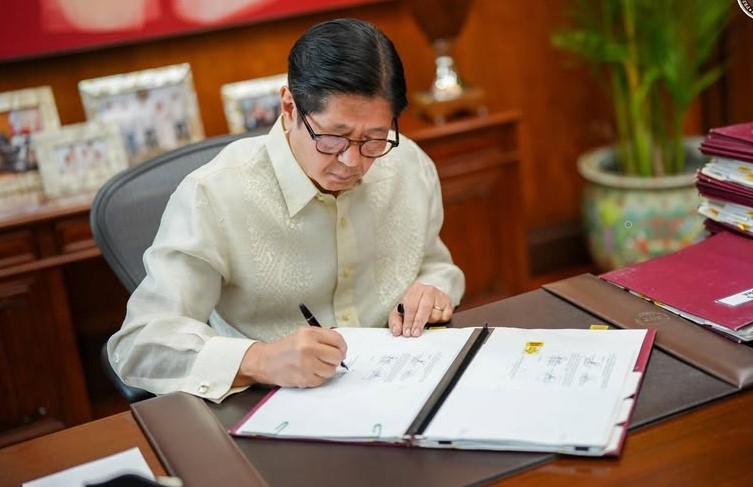
PRESIDENT Ferdinand R. Marcos Jr. has signed into law a measure establishing a Basic Education Voucher Assistance Program to expand students’ access to quality education and help ease classroom congestion in public schools.
Republic Act No. 12327, or the Basic Education Voucher Assistance Act, signed by the President November 12, establishes a government-funded voucher system that will allow qualified students from vulnerable and underprivileged households to enroll in participating private basic education institutions.
Under the law, the government will provide vouchers to eligible students enrolled in participating private schools to help cover the cost of their education.
This act shall cover all private basic education institutions that receive government assistance in the form of vouchers for qualified students, subsidies for teachers or assistance to schools.
The Department of Education (DepEd) will determine the voucher amounts based on commissioned research and review them at least every three years to account for inflation and other factors.
Students from low-income households will receive higher voucher assistance, while payments to participating schools must be released within 60 days after the submission of complete documentary requirements.
The measure prioritizes students who previously attended public schools identified as congested, those living in areas without nearby public schools, and those residing in communities where public schools are overcrowded.
The law also allows local government units, private sponsors, and other scholarship providers to supplement the government assistance to help cover the difference between the voucher amount and the total cost of schooling.
To ensure accountability and quality education, participating private schools will undergo recognition and periodic assessment by the DepEd.
The department will also monitor learner outcomes, including literacy and numeracy rates, national and international assessment results, and the academic performance and completion rates of underprivileged students.
The law further provides for other forms of assistance to participating private schools and their teachers, including in-service training, teachers’ salary subsidies, and scholarship opportunities for qualified educators.
Through the program, the government seeks to make quality basic education more accessible while helping decongest public schools.
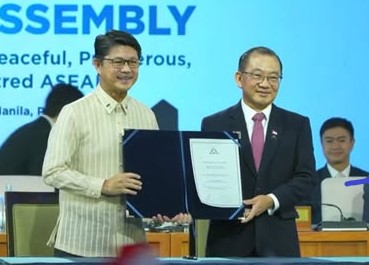 PHILIPPINES TURNS OVER AIPA PRESIDENCY TO SINGAPORE
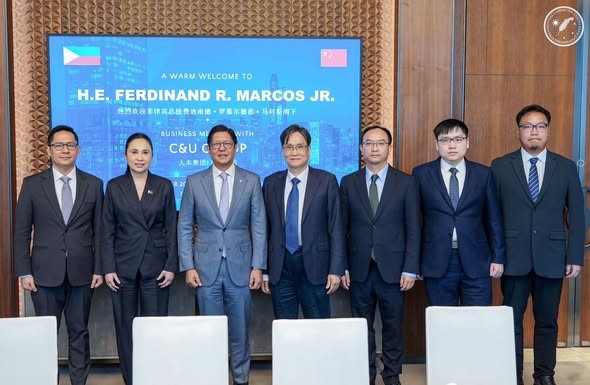 CHINESE PARTS MAKER PLANS US$87-M PLANT IN ALITAGTAG, BATANGAS
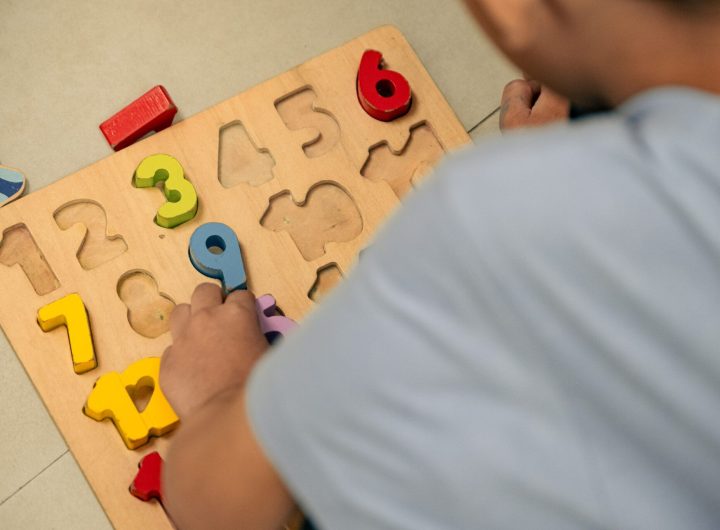 AT LEAST 652 SNED TEACHER POSITIONS URGENTLY NEEDED IN 2027 – EDCOM 2
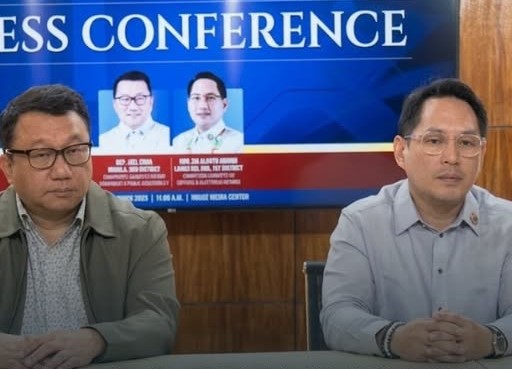 HOUSE PROSECUTION DISMISSES 2028 ‘NO-ELECTION’ CLAIM AS DIVERSION FROM VP SARA TRIAL
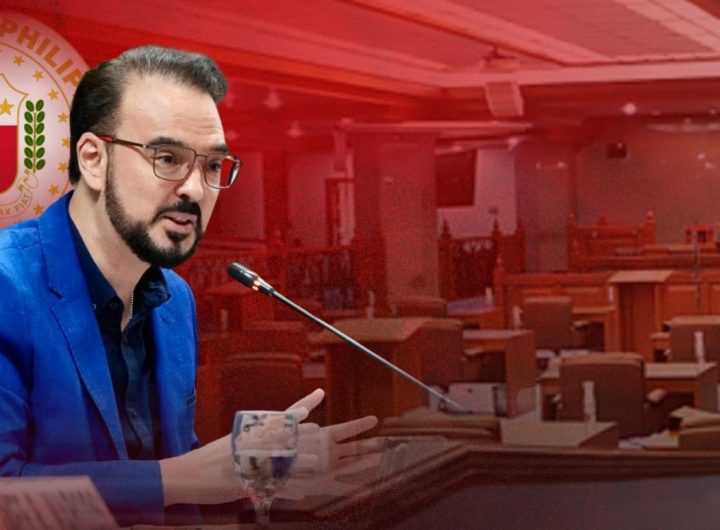 CAYETANO HIGHLIGHTS ROLE OF PRAYER IN DIVISIVE IMPEACHMENT TRIAL
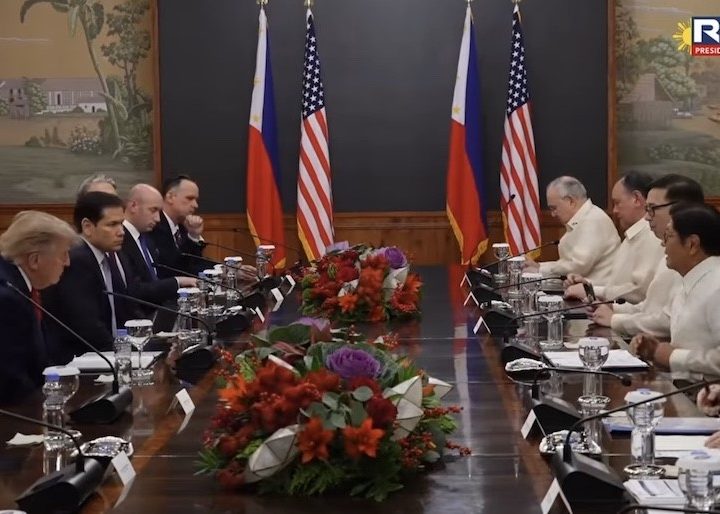 JOLLIBEE GIVES TRUMP, US DELEGATION A TASTE OF HOSPITALITY DURING MANILA VISIT
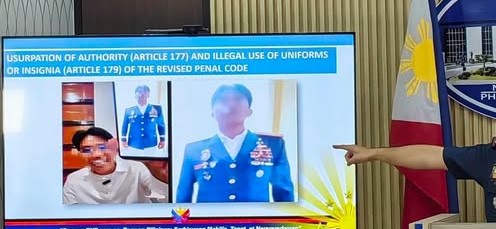 VLOGGER FRANCIS LEO MARCOS ARRESTED ANEW FOR WEARING POLICE UNIFORM
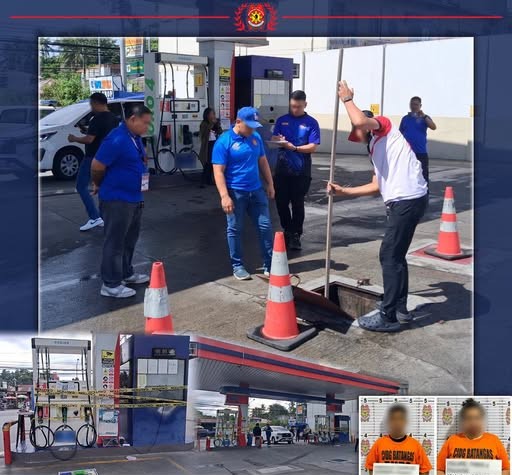 CIDG BUSTS ILLEGAL PETROLEUM PRODUCTS TRADING IN BATANGAS