
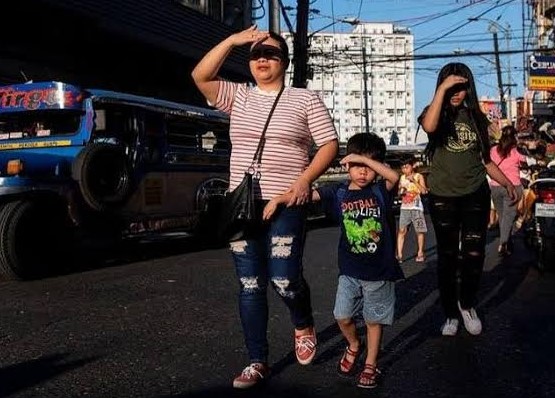
SENATOR Loren Legarda is urging local government units (LGUs) to open free public cooling centers in barangay halls and other accessible community facilities, and partner with shopping malls to provide relief from dangerous heat as a Very Strong El Niño threatens the health and well-being of vulnerable Filipinos.
The proposal forms the sixth point of Legarda’s 10-point Policy Action Plan against El Niño, launched on October 19, and aims to provide safe places where residents can cool down, rest, and access drinking water, particularly those without air-conditioning at home and workers who spend long hours outdoors.
“If you have air-conditioning at home, you have a way to escape the heat. But what about families who cannot afford it? What about older persons, children, and workers who have to go out every day? They deserve a safe place where they can rest, cool down, and protect themselves from dangerous heat. Something this simple can make a real difference in people’s lives,” Legarda said.
The Philippine Atmospheric, Geophysical and Astronomical Services Administration (PAGASA) has warned that the ongoing Very Strong El Niño could persist through the first half of 2027, bringing below-normal rainfall and warmer-than-average temperatures across much of the country. Under its heat index classification, readings of 42°C to 51°C fall under the Danger category, while 52°C and above are considered Extreme Danger, posing serious risks of heat-related illness.
These extreme conditions pose critical health risks to the Philippine population. Exposure to heat index levels under the Danger category increeases the risk of heat cramps and heat exhaustion, while conditions under the Extreme Danger category pose a serious risk of heatstroke. Without well-ventilated spaces or a way to cool down, a person’s body cannot release heat. The trapped heat builds up rapidly, drastically increasing the risk of severe and life-threatening conditions like heatstroke.
The World Health Organization (WHO) also warns that extreme heat is particularly dangerous for older persons, children, people with underlying health conditions, and outdoor workers. This also applies to those who lack access to air conditioning or mechanical cooling.
“When the heat becomes unbearable at home, we strongly advise everyone to seek refuge in cooler, well-ventilated environments. Spending even a few hours in public cooling spaces can help lower your temperature and prevent severe health risks such as heat-induced dizziness, headaches, and heat exhaustion,” Legarda advised.
Legarda’s proposal seeks to make such spaces more accessible by allowing LGUs to designate suitable public facilities as temporary cooling centers, with adequate cooling, safe drinking water, and resting areas. Shopping malls and other private establishments could also provide designated spaces that residents can use without making purchases.
“We already have barangay halls, public libraries, and other facilities that can serve this purpose. Shopping malls can also work with local governments to open designated cooling spaces. We do not have to build everything from scratch. What matters is that people have somewhere safe to go, without having to spend money just to escape the heat,” Legarda said.
The initiative builds on existing climate adaptation and disaster preparedness laws. Republic Act No. 9729, or the Climate Change Act of 2009, which Legarda principally authored and sponsored, recognizes LGUs as frontline agencies in climate adaptation. Republic Act No. 10121, or the Philippine Disaster Risk Reduction and Management Act of 2010, which she co-sponsored, provides mechanisms for local preparedness and coordination with private organizations.
The People’s Survival Fund, established under Republic Act No. 10174, which Legarda co-authored and principally sponsored, also provides financing for eligible local climate adaptation projects, subject to existing requirements and approval procedures.
The proposal further complements Proposed Senate Resolution No. 733, through which Legarda sought an inquiry into government preparedness, programs, and resource allocation in response to El Niño.
“When a typhoon is approaching, we prepare evacuation centers. We should take extreme heat just as seriously because it can also put lives at risk. We should be opening these spaces and preparing our communities before people start falling ill. Protecting lives should never have to wait for an emergency,” Legarda stressed.
She called on LGUs, barangay officials, health authorities, and private establishments to identify suitable facilities and establish arrangements for free public cooling spaces, particularly in communities where residents have limited access to relief from extreme heat.
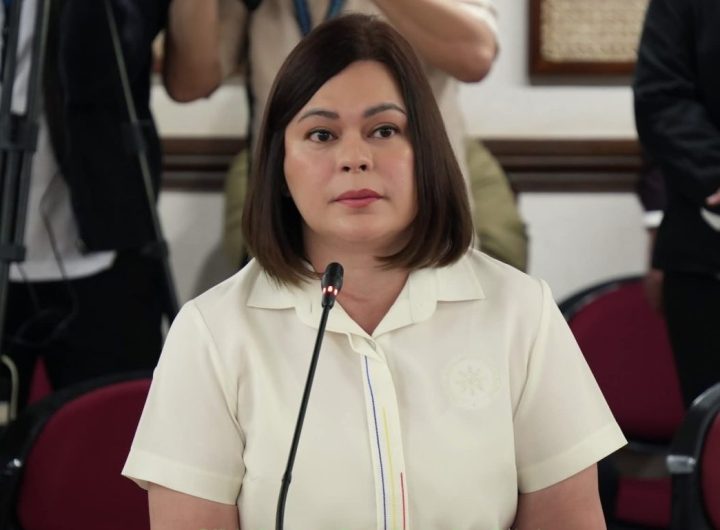 HOUSE PROSECUTION VOWS TO OPPOSE FURTHER DELAYES IN VP SARA TRIAL, EYES DEC. 18 VERDICT
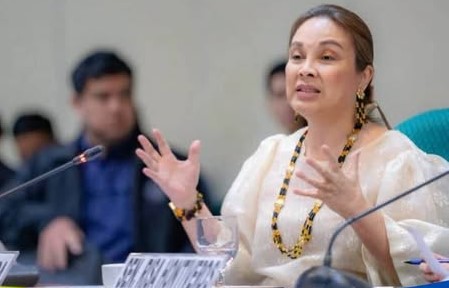 LEGARDA FILES BILL SEEKING SUPPORT FOR SINGLE BREADWINNERS
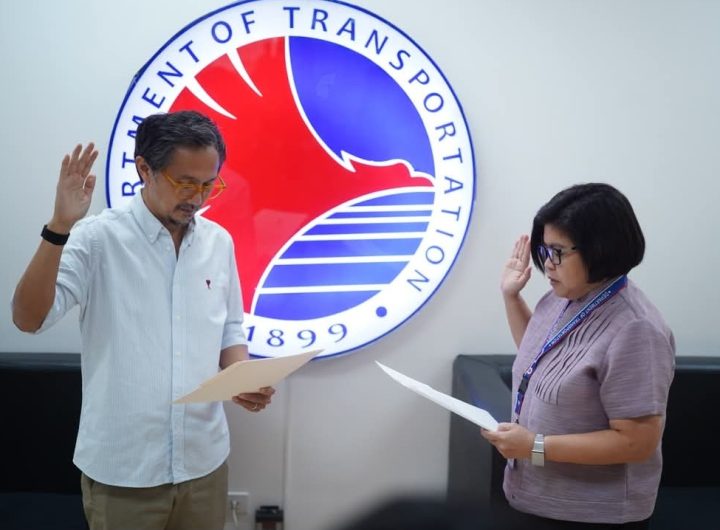 CALAGUAS TAKES OATH AS DOTR USEC FOR RIGHT-OF-WAY
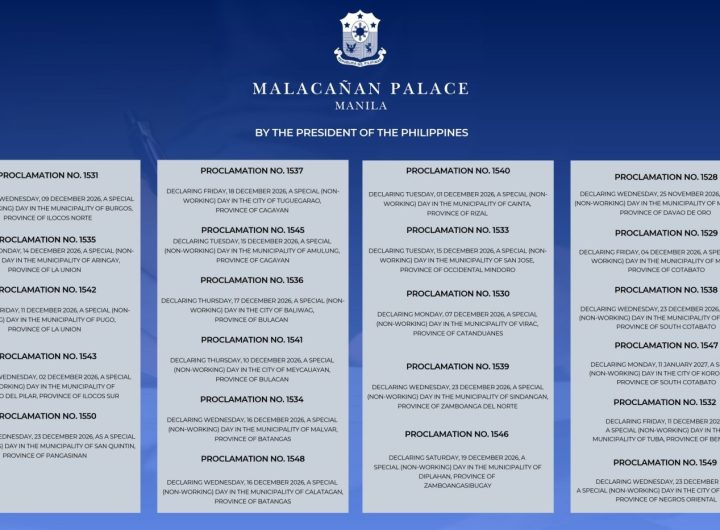 PRESIDENT MARCOS DECLARES SPECIAL NON-WORKING DAYS IN 18 MUNICIPALITIES, 5 CITIES
 HIGHER MEDICAL ALLOWANCE, FREE HEALTH CHECKUP FOR PUBLIC SCHOOL TEACHERS, NON-TEACHING PERSONNEL SOUGHT
 HOUSE PANEL OKAYS BILL FOR MORE ACCESSIBLE ROOFTOP SOLAR PANEL