

THE long-awaited Negros Island Region (NIR) Act, which bring the provinces of Negros Occidental, Negros Oriental, and Siquijor together under one administrative region, was approved on Tuesday on third and final reading in the Senate.
“The people of Negros have been waiting for this for a long time,” said Senate President Juan Miguel “Migz” Zubiri, himself a Negrense through his father, who was born in Kabankalan City, Negros Occidental.
“The current administrative division of the island has always posed a problem to its residents, who are forced to travel all the way to either Cebu or Iloilo in order to reach our regional government offices,” he stressed.
Negros Occidental presently belongs to Region VI while Negros Oriental is under Region VII, which places their regional centers in Iloilo and Cebu, respectively.
“It is hard to deliver people-centered governance under this set-up. We have to make our government services as accessible as possible,” Zubiri said.
Under the NIR Act, regional offices will be split between Negros Occidental and Negros Oriental, creating new growth areas in the region.
“I am hopeful that President Marcos sees the need for a united NIR, which is our way of bringing our services straight to our people. It is certain to improve the ease of doing business in the region, which will both empower our residents and also raise the confidence of investors in our capacity to facilitate efficient government transactions,” the Senate president said.
“By bringing our services straight to Negros Island, we hope to pave the way for greater economic and social development in the region,” he added.
 COURT ORDERS ARREST OF VP SARA OVER GRAVE THREATS RAPS
  PBBM CONDOLES WITH FAMILIES OF 2 FILIPINO SEAFARERS KILLED IN STRAIT OF HORMUZ
  2 PINOY SEAMEN KILLED IN STRAIT OF HORMUZ ATTACK
  PALACE ANNOUNCES FREE TOLL IN SELECT NLEX AREAS STARTING SEPT. 2
 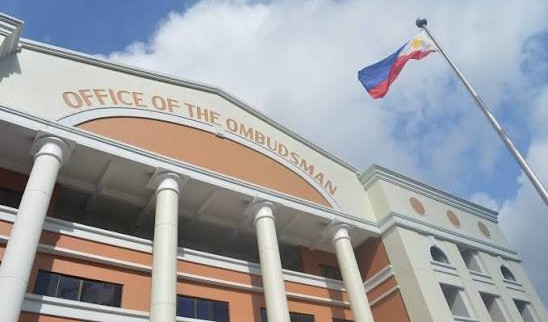 LACSON FILES BILL SEEKING TO GRANT OMBUDSMAN POWER TO ARREST, SEARCH, SEIZE
  PBBM TO DEPED: TEACH CLIMATE CHANGE AMONG SCHOOL CHILDREN
 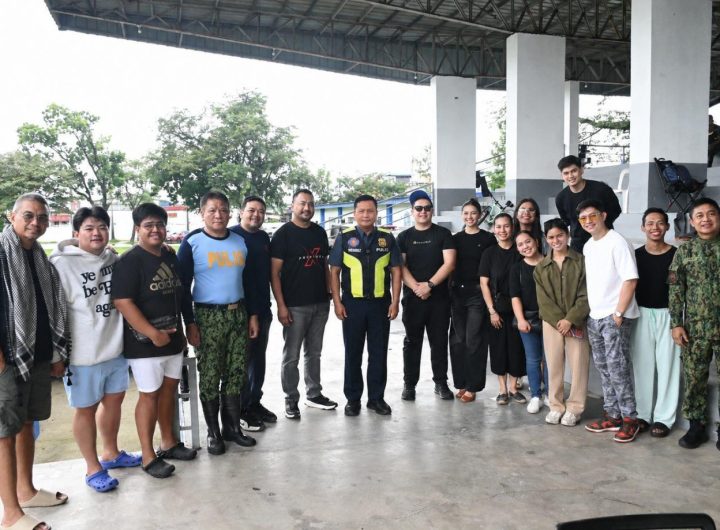 FLOOD RESCUE BRINGS RIPPLES OF HOPE MEMBERS BACK TO THANK PRO3 PERSONNEL
 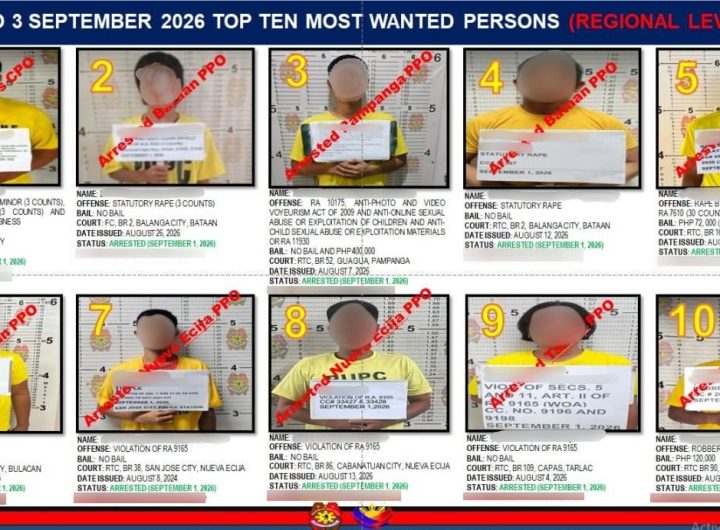 PRO3’S 36-HOUR MANHUNT OPERATIONS HAUL TO JAIL ALL CL’S 10 MOST WANTED FELONS