
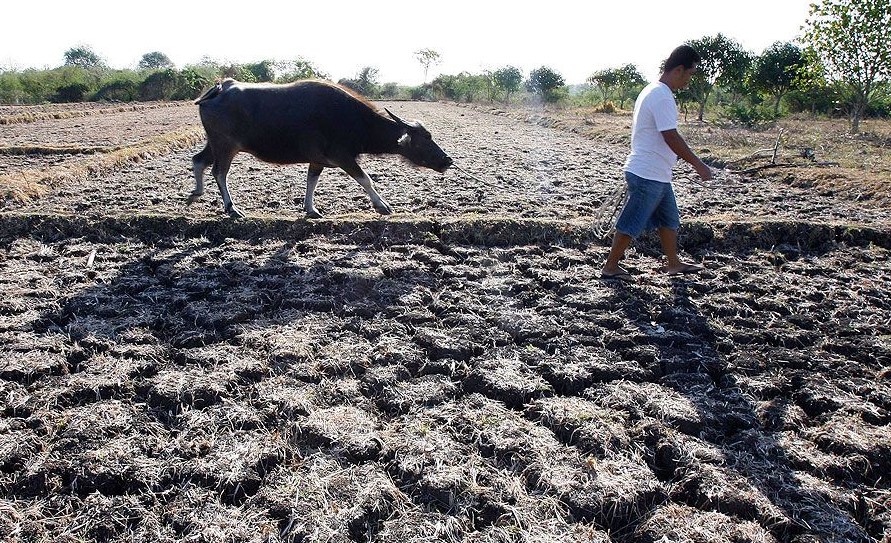
THE Department of Agriculture (DA) is ramping up preparations for an anticipated super strong El Niño, drawing on lessons from the last drought to protect farm production, secure food supplies, and cushion farmers and fisherfolk from its impact.
Agriculture Secretary Francisco P. Tiu Laurel Jr. told a television interview on Thursday that when he joined the government in November 2023, the country was just entering an El Niño—a “baptism of fire” that gave him firsthand experience in dealing with prolonged dry conditions.
Those lessons are now being applied as the government prepares for an intensified drought, with the DA stocking up on food and farm inputs, expanding storage capacity, and deploying targeted interventions in areas expected to be hardest hit.
“We are now more prepared,” said Tiu Laurel, noting that the DA has already made advance purchases of key commodities, including rice, as well as fertilizer and other agricultural inputs.
The administration of President Ferdinand Marcos Jr. has provided the DA an additional P6.2 billion for fuel subsidies and other assistance to help farmers, fisherfolk, and truckers of agricultural products cope with the higher fuel costs triggered by the conflict in the Middle East, as well as the initial effects of El Niño later this year.
El Niño is expected to last until the first half of 2027.
The DA is shifting to foliar and soil ameliorants, including bio-based, non-urea products, while tailoring interventions to local conditions.
Tiu Laurel stressed that El Niño does not mean all areas will be dry, with some places potentially receiving excessive water.
The agency plans to increase fertilizer application and seed intensity in areas where conditions warrant, but Tiu Laurel said the DA is preparing for the worst.
“At the end of the day, we are looking at the worst-case scenario, so we expect that overall production will still be lower,” he said.
Weather-related shocks this year, including El Niño, are expected to impact fishery, livestock, and crops as well as shave off around 700,000 metric tons of the projected palay output during the main harvest in the second half of the year.
DA BUILDS BIGGER FOOD BUFFER
Tiu Laurel said the National Food Authority (NFA) now has 365 active warehouses, up from around 300, after renting an additional 165 facilities.
The expanded storage network, including silos and other warehouses, is expected to help the country ride out potential supply disruptions.
New cold storage facilities are being opened to increase the country’s capacity to extend shelf life of meat and vegetables.
Cloud seeding has also begun in drought-hit areas, including Isabela and Negros. Tiu Laurel said the DA would deploy the measure when cloud formations have enough moisture to generate rain.
“We will do anything that is needed to help the situation,” he said.
On irrigation, Tiu Laurel said the DA continues to coordinate with the Office of the President, which oversees the program.
He cited one positive development: recent heavy monsoon rains have replenished major dams, giving irrigated areas a potentially adequate water supply for the next planting season.
The fuller reservoirs after weeks of incessant rains, said Tiu Laurel, provide some breathing room—but the lessons from the last El Niño have made clear that preparation must come well before the drought peaks.
 USE LONGER TERM TO FOCUS ON COMMUNITIES, PUBLIC SAFETY – SPEAKER DY TO BARANGAY OFFICIALS
  SENATE OKAYS ON SECOND READING CHIZ’ BILL EXPANDING RENTAL OPTIONS FOR POOR FAMILIES
 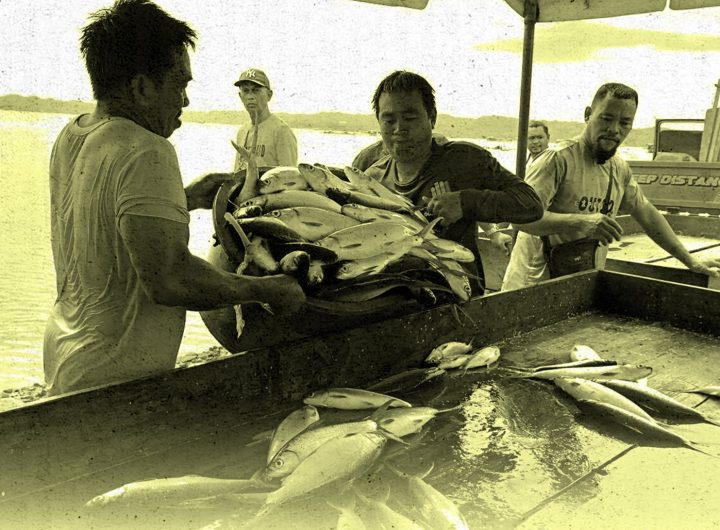 300,000 FARMERS, FISHERMEN, AGRI TRUCKERS TO RECEIVE P3B FUEL SUBSIDY
  OVER P590M WORTH OF CHILD VACCINES WASTED IN 2025 – GATCHALIAN
  CHIZ PUSHES STRONGER PROTECTION FOR INSTALLMENT HOMEBUYERS
  PRESIDENT MARCOS TO LEAD EFFORTS IN TACKLING ‘SUPER EL NIÑO’
  BLAST KILLS 3 KIDS, SENIOR IN ISABELA
  DA RAMPS UP PREPARATIONS FOR SUPER STRONG EL NIÑO
  SHABU-PEDDLING GRANDMA AMONG 5 BUSTED IN BATAAN