

THE Senate on Wednesday passed on second reading a bill offering incentives to private developers to build affordable rental units for poor and low‑income families.
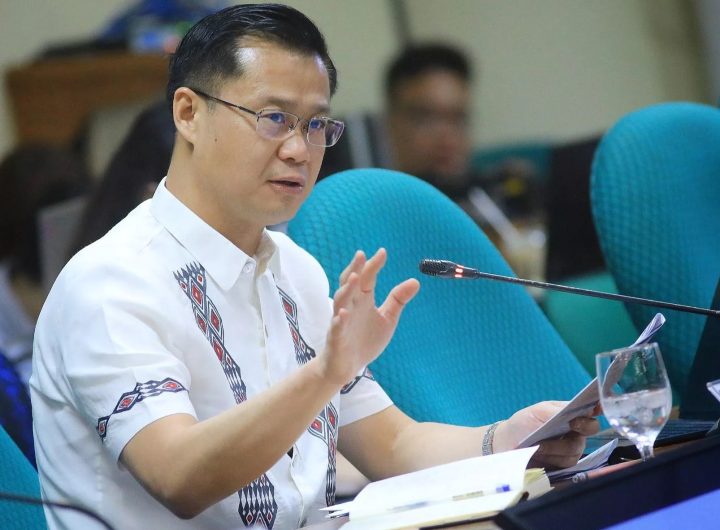
Sponsored by Sen. Francis “Chiz” Escudero, Senate Bill No. 2507 gives life to the Constitution’s mandate to government and the private sector to work together in addressing the country’s housing needs. “
The Constitution itself recognizes that the challenge of housing cannot be met by government alone,” he said during his sponsorship speech, citing Article XIII, Section 9 on urban land reform and housing.
“The ‘Affordable and Decent Rental Housing Incentives Act’ gives life to this constitutional mandate by providing incentives for the private sector to develop, construct, rehabilitate, and operate affordable and decent rental housing for poor and low-income households.
”The bill establishes a system for registration and certification system for qualified rental housing. It requires providers to offer units at rental rates set by the Department of Human Settlements and Urban Development (DHSUD), based on household income, prevailing rental prices in the area, and the size and type of the unit.
Only units that meet these standards and are leased to poor and low‑income tenants will be eligible for the incentives.
Under SB 2507, developers and operators of qualified units may receive the following incentives: • Value Added Tax (VAT) exemption on the leases • Tax incentives under Republic Act No. 11534 or the Corporate Recovery and Tax Incentives for Enterprises (CREATE) Act • A 25-percent tax credit on gross rental income for five years
They may also access preferential lending terms from Pag‑IBIG Fund, Land Bank of the Philippines (LBP), and the Development Bank of the Philippines (DBP), alongside risk‑sharing mechanisms such as credit guarantees, interest subsidies, and viability gap funding.
The veteran legislator said the measure also allows government land and assets to be used for affordable rental housing through usufruct, lease, concession, and public‑private partnership arrangements.
“These incentives give government the tools to orchestrate and harmonize public and private resources toward a common goal: decent and affordable housing for every Filipino family,” he said.
Escudero emphasized that the measure is designed to expand rental housing supply, and not merely regulate it.
“In doing so, we fulfill the vision of our Constitution—government and the private sector working together to put decent and affordable housing within reach of our people,” he added.
Funding for the implementation of the measure will be included in the annual General Appropriations Act and in the spending plan of concerned government‑owned and controlled corporations.
 USE LONGER TERM TO FOCUS ON COMMUNITIES, PUBLIC SAFETY – SPEAKER DY TO BARANGAY OFFICIALS
  DA RAMPS UP PREPARATIONS FOR SUPER STRONG EL NIÑO
  300,000 FARMERS, FISHERMEN, AGRI TRUCKERS TO RECEIVE P3B FUEL SUBSIDY
  OVER P590M WORTH OF CHILD VACCINES WASTED IN 2025 – GATCHALIAN
  CHIZ PUSHES STRONGER PROTECTION FOR INSTALLMENT HOMEBUYERS
  PRESIDENT MARCOS TO LEAD EFFORTS IN TACKLING ‘SUPER EL NIÑO’
  BLAST KILLS 3 KIDS, SENIOR IN ISABELA
 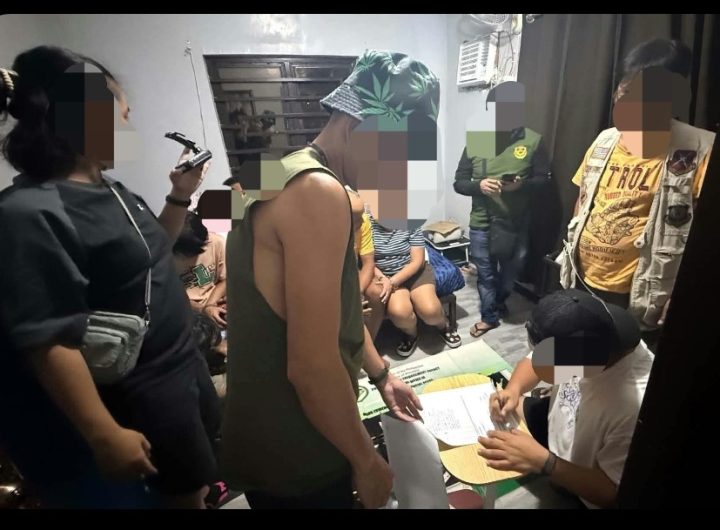 SHABU-PEDDLING GRANDMA AMONG 5 BUSTED IN BATAAN